Landscapes from the Window
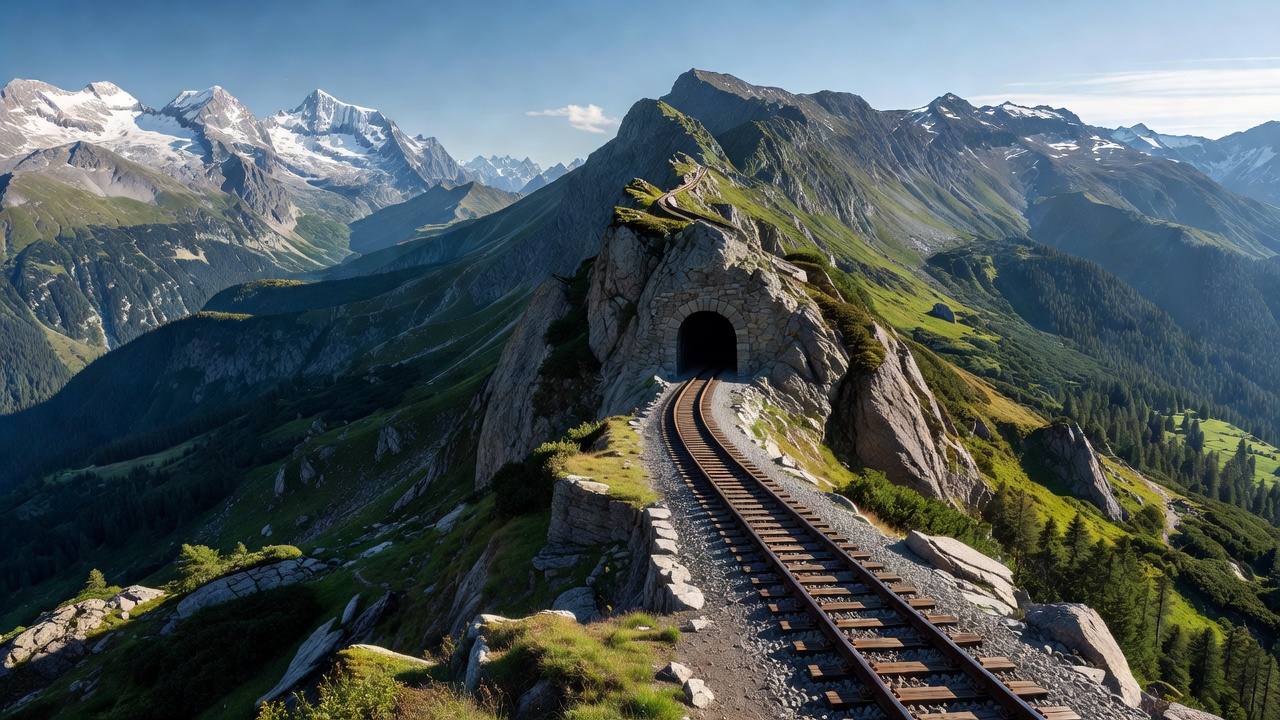
While the modern network prioritises velocity, specific corridors are engineered to respect the topography. These lines feature spiralling viaducts, narrow gauges, and panoramic carriages designed entirely to interface with the enduring landscape outside.
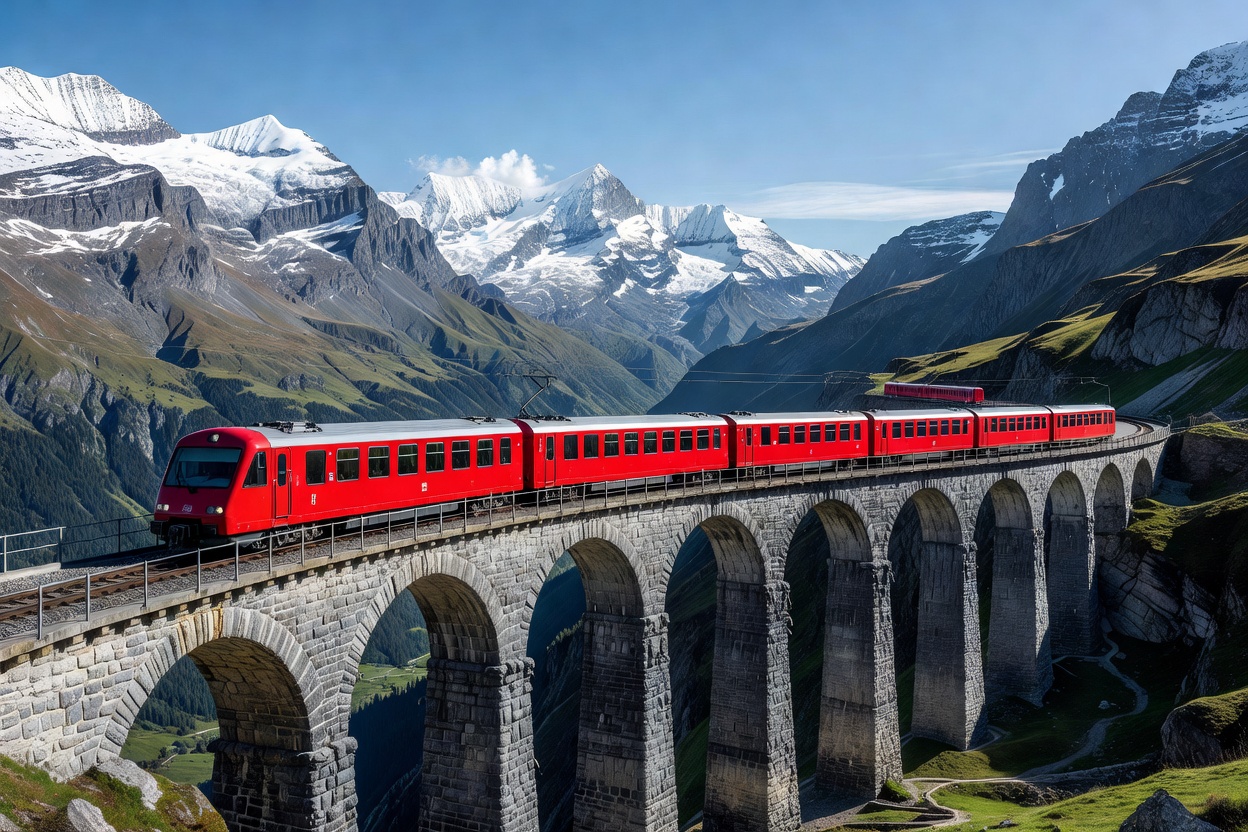
Bernina Express
Connecting Chur in Switzerland to Tirano in Italy, this narrow-gauge marvel scales the Bernina Pass without the aid of rack-and-pinion mechanisms. It navigates 55 tunnels and 196 bridges, representing a triumph of early 20th-century gradient engineering.
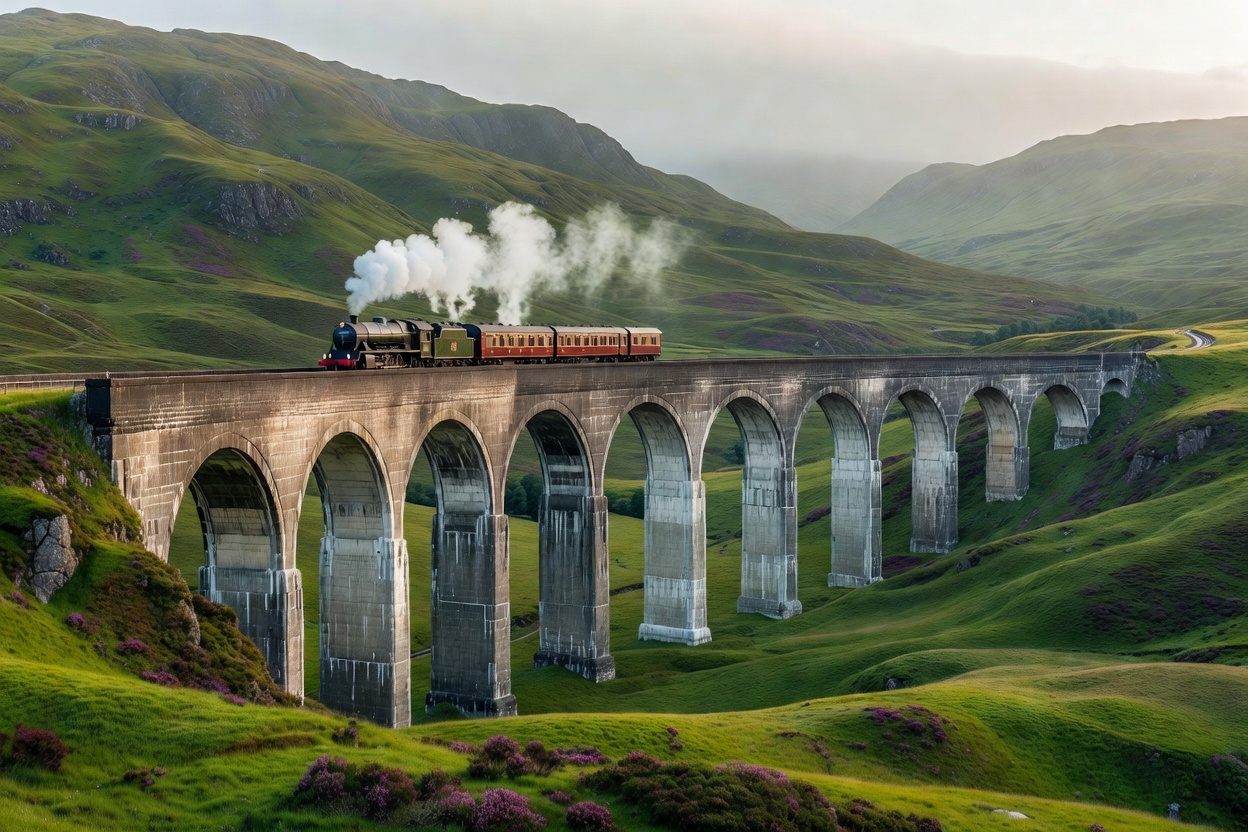
West Highland Line
Departing Glasgow and fracturing towards Oban and Mallaig, this line cuts across some of the most isolated moorland in Britain. Its crossing of the 21-arch Glenfinnan Viaduct remains an enduring fixture of railway iconography.
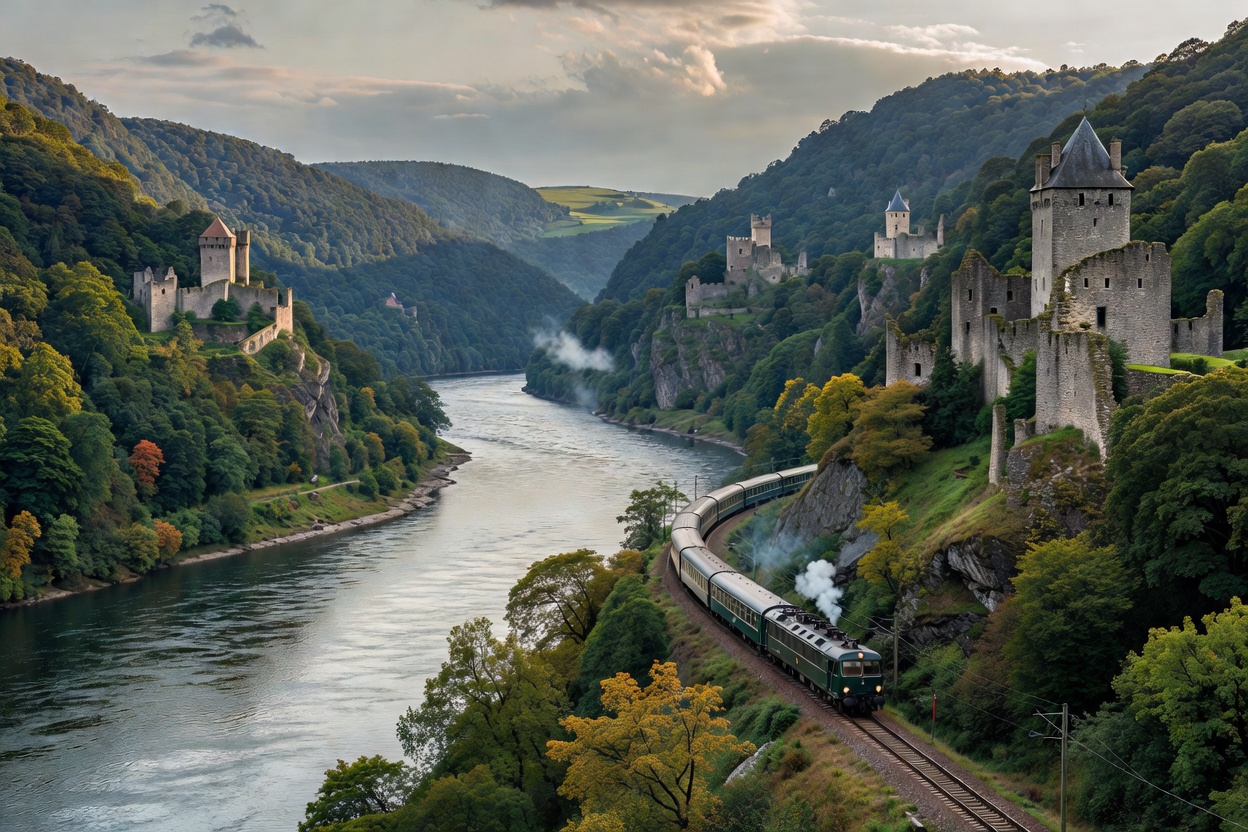
Glacier Express & Rhine Valley
Whether it is the slow, deliberate traverse of the Glacier Express bridging Zermatt and St. Moritz, or the winding passage alongside the castles of the Rhine between Mainz and Koblenz, these routes trace the ancient geographic fractures that have historically defined European transit.