A Bed beyond the Platform
Travelling through the Night
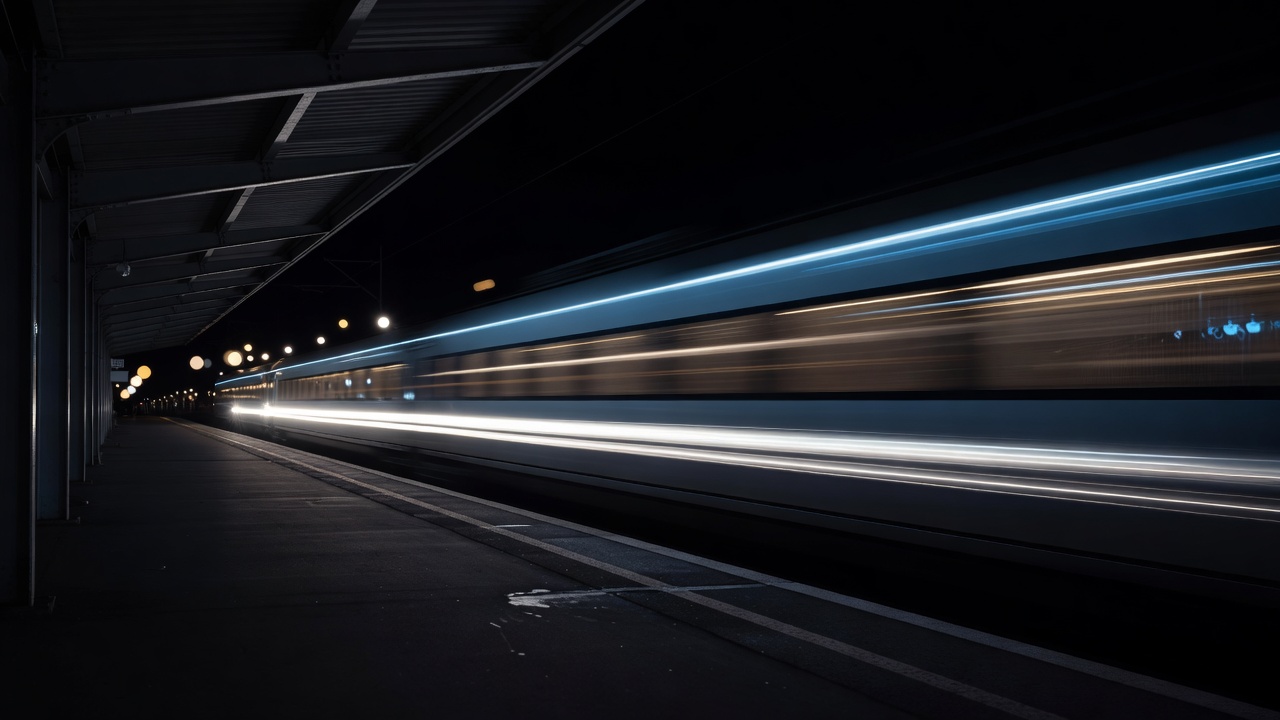
The revival of the nocturnal railway introduces significant efficiency to broad itineraries, transforming transit time into accommodation. However, the architecture of the sleeper carriage dictates comfort, and terminology varies deeply across operators.
Carriage Distinctions
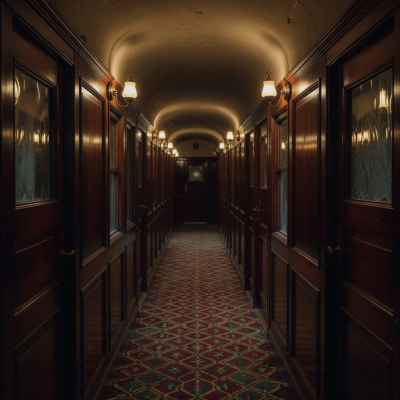
The Couchette
A communal compromise. Compartments hold four to six narrow bunks, typically requiring passengers to arrange their own supplied bedding. Ideal for economical cross-border transit where rest takes precedence over privacy.
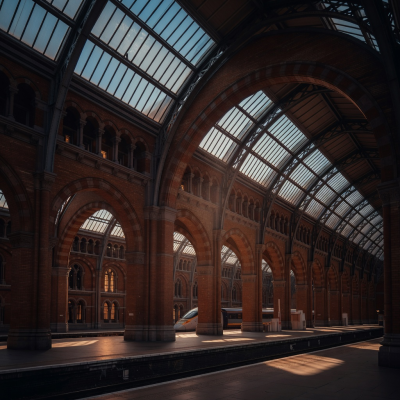
The Private Sleeper
Reserved cabins offering one to three properly made beds, frequently incorporating an en-suite washbasin and morning provisions. Operators like the Caledonian Sleeper even provide full enclosed shower facilities on premium routes.
Noteworthy Nocturnal Corridors
- ÖBB Nightjet
- The primary architect of the modern European sleeper revival. Operating out of Wien Hauptbahnhof, this Austrian network connects cities from Paris and Amsterdam to Rome and Warsaw using highly refined rolling stock.
- European Sleeper
- An independent operator establishing a vital artery between the North Sea and Central Europe, actively restoring the Brussels–Amsterdam–Berlin–Prague corridor.
- Caledonian Sleeper
- Departing from London Euston, this service severs the British landscape in darkness, depositing passengers amid the remote highlands of Fort William or the urban center of Inverness by dawn.